





Postpartum Diet | Essential Nutrition for New Moms
Childbirth is one of the biggest changes in every mother’s life. After this period, the mother’s body needs special nutrition and care to both restore its health and provide the best nutrition for her child. Diet After Childbirth is one of the main pillars of this reconstruction. Do you want to know what foods are good for you and your baby? In this article, we will discuss in detail the Diet After Childbirth, both natural and cesarean, so that you can make the best food choices during the postpartum period and return to your ideal weight. After reading this article, you will gain a series of golden tips that will quickly put you on the path to health.
Importance of Postpartum Diet
Diet After Childbirth is so important in the physical and mental health of mothers, especially those who are breastfeeding. Given that the mother’s body needs to rebuild and repair during the postpartum period, it is essential to consume adequate nutrients. In addition, the foods that the mother consumes have a great impact on the quality of breast milk, which is vital for the health of the baby. After childbirth, the mother should pay special attention to her diet and include nutritious, healthy and natural foods in her diet.
What to eat on the Postpartum Diet?
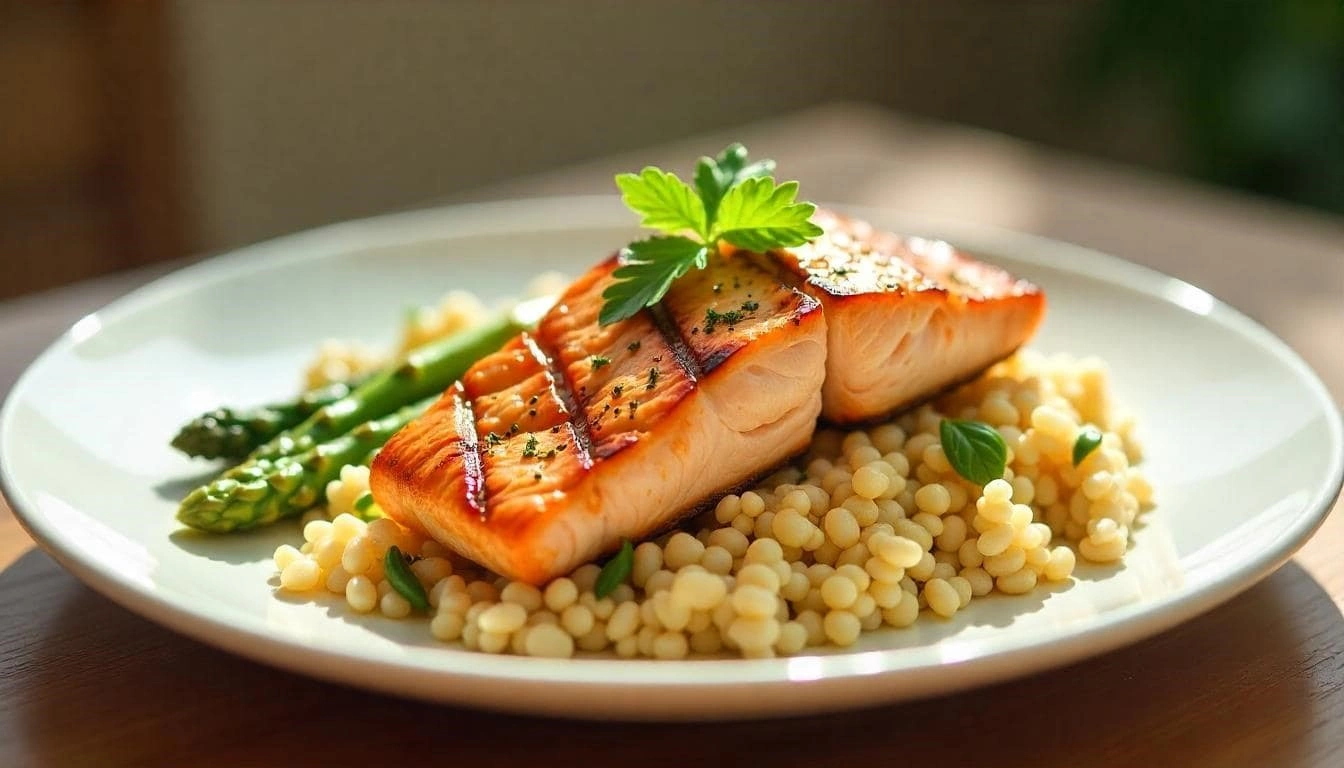
Diet After Childbirth Natural or Cesarean Section should be varied and rich in vitamins and minerals. Consuming proteins, fruits and vegetables, whole grains and healthy fats are the most important elements of a proper postpartum diet.
Proteins
Proteins are essential for repairing tissues and maintaining the body’s energy levels. For mothers who are looking to rebuild their bodies after a natural or cesarean section, consuming protein sources such as lean meats, fish, eggs and legumes is very important.
Fruits and Vegetables
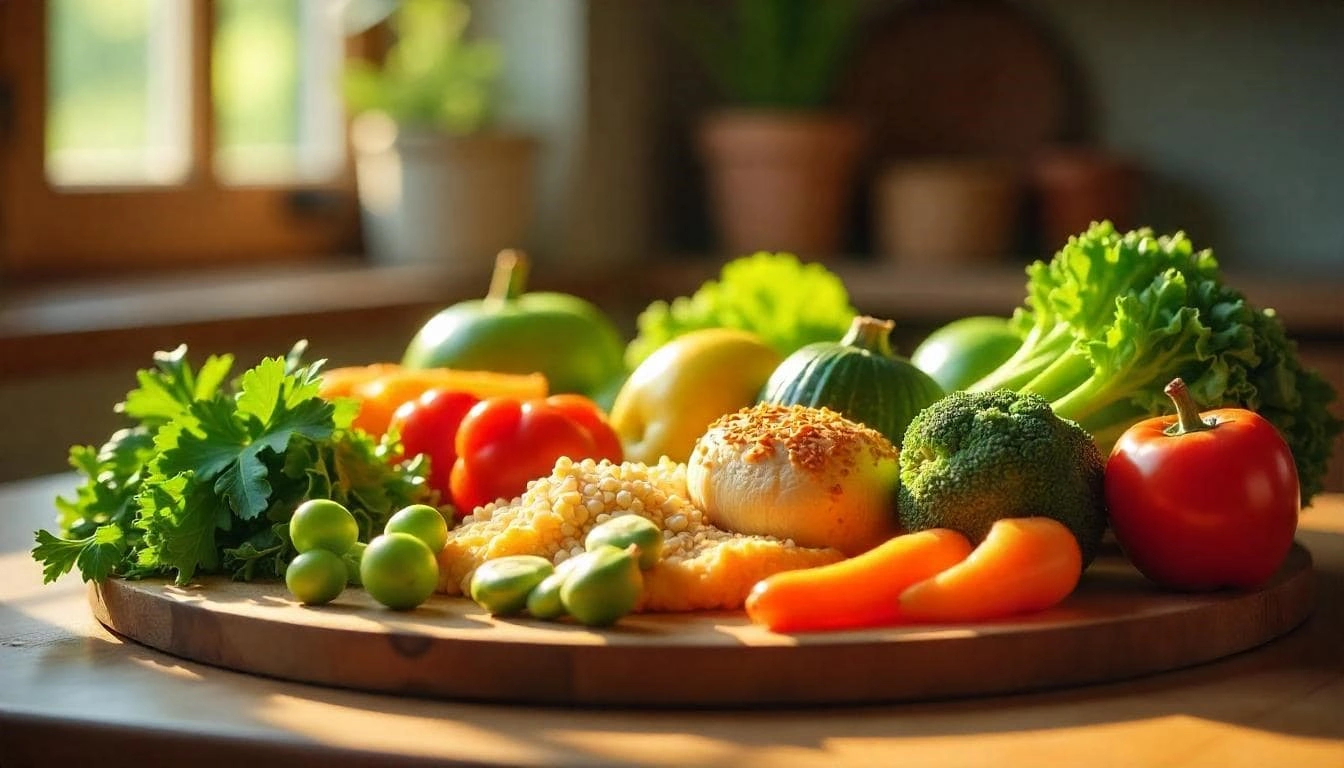
Fruits and vegetables are rich sources of vitamins, minerals and antioxidants that help improve the immune system. The vitamin C in these foods helps absorb iron and strengthens the body’s defense system. Mothers should consume colorful fruits and vegetables such as strawberries, oranges, bell peppers and spinach daily.
Healthy fats
Healthy fats like olive oil, avocados, and nuts are another important part of a mother’s diet. These fats help with milk production and skin health.
Calorie Needs for Mothers on the Postpartum Diet: How Many Calories Should You Consume?
The calorie needs of mothers on the After Childbirth Diet depend on several different factors. These factors include their pre-pregnancy weight, the type of delivery (natural or cesarean section), and the mother’s level of physical activity. In fact, the mother’s body needs to rebuild and repair after childbirth, and for this reason, it must receive enough calories to be able to carry out this process well. For mothers who are breastfeeding, this calorie need increases.
Extra Calories for Breastfeeding Mothers
In general, breastfeeding mothers need about 500 extra calories per day. These calories should come from healthy and nutritious sources, such as quality proteins, whole grains, fruits, and vegetables. Consuming these sources not only gives the mother’s body the energy it needs, but also helps produce more and better quality milk. Therefore, mothers should pay special attention to their nutrition to ensure both their health and the health of their baby. If mothers intend to lose weight, this should be done gradually. Rapid weight loss may lead to a decrease in milk production and negatively affect the health of the mother and baby. Therefore, it is important for mothers to consult a doctor or nutritionist before starting any weight loss program.
Forbidden Foods in the After Childbirth Diet
Breastfeeding mothers should avoid certain foods and drinks that may affect the health of their baby. Some foods can be passed on to the baby through breast milk and cause digestive problems or disturbed sleep for the baby. In this section, we will introduce the foods you should avoid.
Spicy Foods and Caffeine: Negative Effects on Baby’s Health
Spicy foods may irritate the baby’s digestive system and cause problems such as colic and stomach upset in the baby. On the other hand, caffeine consumption during breastfeeding can cause insomnia and irritability in the baby. Caffeine is easily transmitted to the baby through breast milk and causes sleep disorders and even restlessness in him.
Alcohol and Fatty Foods: Effect on Milk Quality and Mother’s Health
Breastfeeding mothers should avoid alcohol because alcohol can reduce the quality of breast milk and even damage the baby’s nervous system. Also, the consumption of processed and fatty foods should be limited. These foods not only lack essential nutrients for the mother and baby, but can also cause unwanted weight gain for the mother and delay the postpartum recovery process.
Golden Tips for Weight Loss After Childbirth
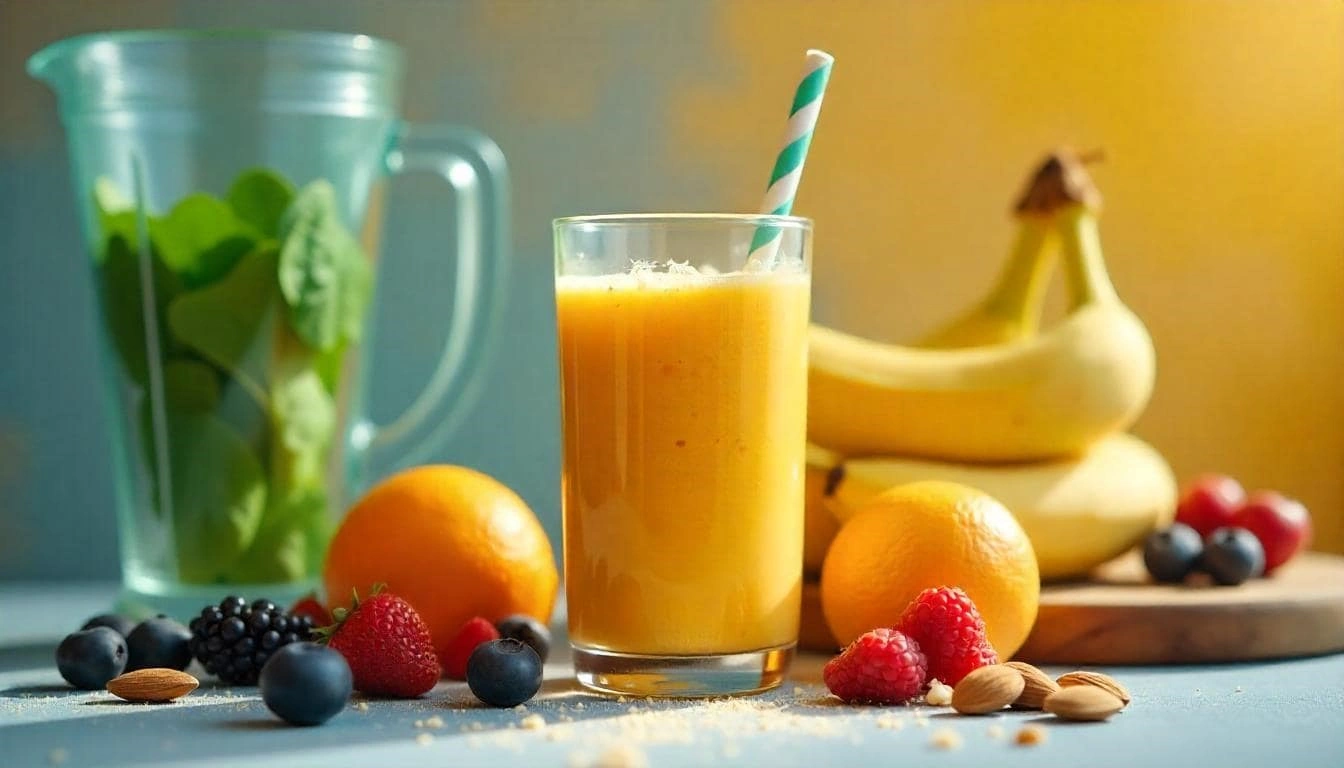
Weight loss after childbirth should be done gradually and through a balanced diet and regular exercise. Here are some golden tips for weight loss:
- Exercise: Aerobic exercises such as walking, swimming, and cycling help lose weight and strengthen muscles.
- Kegel exercises: These exercises help strengthen the pelvic floor muscles and are very beneficial for mothers who have had a natural birth.
- Balanced diet: Instead of following strict diets, it is better to use a balanced and varied diet that includes all food groups.
In conclusion
Diet After Childbirth Natural or Cesarean Section should be adjusted based on the specific needs of the mother. Mothers should use a healthy, varied and nutrient-rich diet to quickly return to their health and be able to provide the best nutrition to their baby. Also, following nutritional and exercise tips can help lose weight after childbirth. If you need a proper postpartum diet or if you need help with your nutrition advice, you can contact Dr. Afshari. He specializes in nutritional advice and planning appropriate postpartum diets and can provide you with useful tips.
3 Frequently Asked Questions About Diet After Childbirth
- Should breastfeeding mothers consume more calories?
Yes, breastfeeding mothers need to consume an average of 500 extra calories per day to continue producing milk. - Can I start my diet to lose weight after giving birth?
Weight loss after childbirth should be done gradually and after consulting a doctor to avoid harming the health of the mother and baby. - What foods are suitable for breastfeeding mothers?
Proteins, fruits, vegetables, and healthy fats like avocado and olive oil are among the best choices for breastfeeding mothers.