





Diet After Gastric Sleeve Surgery What to Eat and Avoid
A gastric sleeve surgery is the starting point for major lifestyle changes, especially in terms of nutrition. Many people who undergo this surgery embark on a new path with the hope of sustainable weight loss and a return to a healthy lifestyle. But what many overlook is the importance of a diet after this surgery. In fact, the long-term success of gastric sleeve surgery depends on strictly following a proper nutritional plan in the weeks and months after surgery. If you have recently undergone this surgery or are planning to undergo it, do not miss the rest of this article. In this article, we will examine Diet after gastric sleeve surgery step by step and provide key tips for maintaining health and effective weight loss.
The importance of following a proper diet after gastric sleeve surgery
Following the Diet after gastric sleeve surgery will not only help you lose weight, but also play a vital role in preventing digestive complications, nutritional deficiencies, and weight regain. In the early weeks, your stomach is very sensitive and small and should not be put under pressure. Eating inappropriate foods or early solids may cause pain, nausea, vomiting, or even serious damage to the suture site. At the same time, this diet should be designed to provide all the vitamins, proteins, and minerals your body needs. Following a strict diet plan helps your stomach slowly get used to different foods and your digestive system adapts to the new conditions.

Diet in the first week after gastric sleeve surgery (clear liquid phase)
In the first week after surgery, Diet after gastric sleeve surgery, you should be limited to clear liquids. At this stage, your stomach is very small, irritable, and healing. The goal is to avoid putting any pressure on the stomach. Drinks such as water, lean beef or chicken broth, sugar-free jelly, mild herbal teas (such as chamomile or peppermint), and diluted apple juice are good options. Fluids should be taken in small sips and spaced out to avoid sudden stomach fullness.
| Type of Food | Allowed | Not Allowed |
| Clear Liquids | Water, broth, sugar-free jelly, herbal teas | Soda, concentrated juice, coffee |
| Water Intake | In small sips and in large amounts throughout the day | Drinking a large volume all at once |
Diet after gastric sleeve surgery in the second week (full liquid phase)
In the second week, you can enter the full liquid phase. This phase includes liquids that have a higher nutritional value. You can use diluted soups, low-fat milk, unsweetened drinking yogurt, fortified soy or almond milk, and special protein shakes. These substances help heal internal wounds and provide sufficient energy. You should also avoid foods high in fiber, sugar, and fat.
Diet in the third week after gastric sleeve surgery (puree phase)
By the third week of Diet after gastric sleeve surgery, the body has somewhat gotten used to the new situation. In this phase, foods are consumed in a pureed or soft form. Foods such as mashed chicken or fish, soft potatoes, scrambled or boiled eggs, and steamed and mashed vegetables are good sources of light protein and fiber. You should not chew your food yet, but it should have a very soft texture. In this phase, water consumption continues between meals, but it should not be drunk with food so that the stomach has enough space to digest the food.
Week 4 (Soft Food Phase)
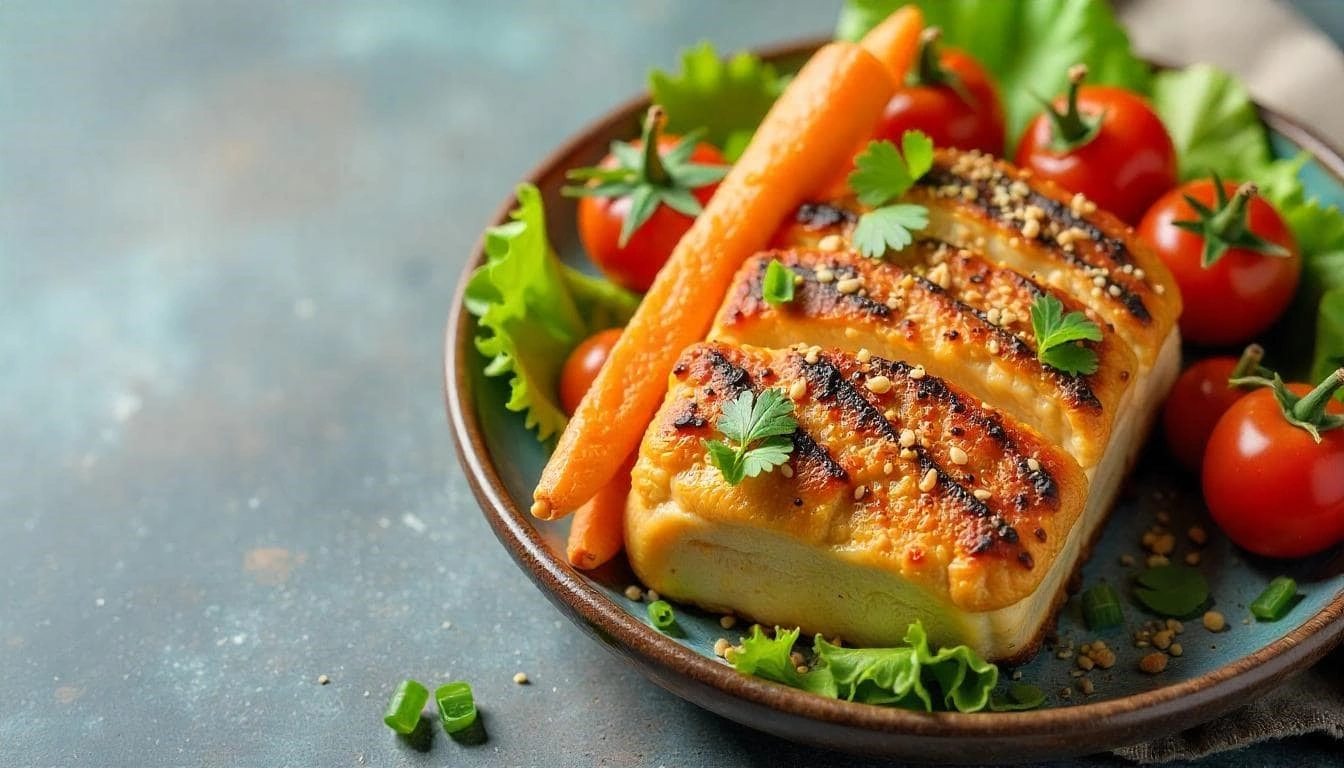
In the fourth week, the patient can gradually enter the soft food phase. At this stage, you can add foods such as fully cooked meats, boiled eggs, low-fat Greek yogurt, soft cheese and softened vegetables to your Diet after gastric sleeve surgery. Foods should be consumed slowly and in small bites, and chewing thoroughly is very important. At this stage, you should pay more attention to your body’s symptoms; if you feel full or uncomfortable, it is a sign of overeating or eating too quickly.
Week 5 and 6 (Entering a normal diet with caution)
In the fifth and sixth weeks of Diet after gastric sleeve surgery, your body enters a stage where you can gradually add normal foods to your daily diet. Of course, this doesn’t mean going back to your old eating habits, but it should be done with care and proper planning. Your stomach is still small and sensitive, and has a limited ability to digest large volumes of food. Therefore, any new foods should be added to your diet slowly and with due consideration for your body’s reaction.
Start eating healthy solid foods
At this stage, you can start eating lean meats such as cooked chicken or turkey, steamed fish, cooked vegetables, soft beans, and fresh, unpeeled fruits. These foods should be well-cooked and soft so as not to put pressure on the stomach. Also, you should continue to avoid fried, fatty, or processed foods such as fast foods, sausages, and hot dogs.
Controlling the size and timing of meals
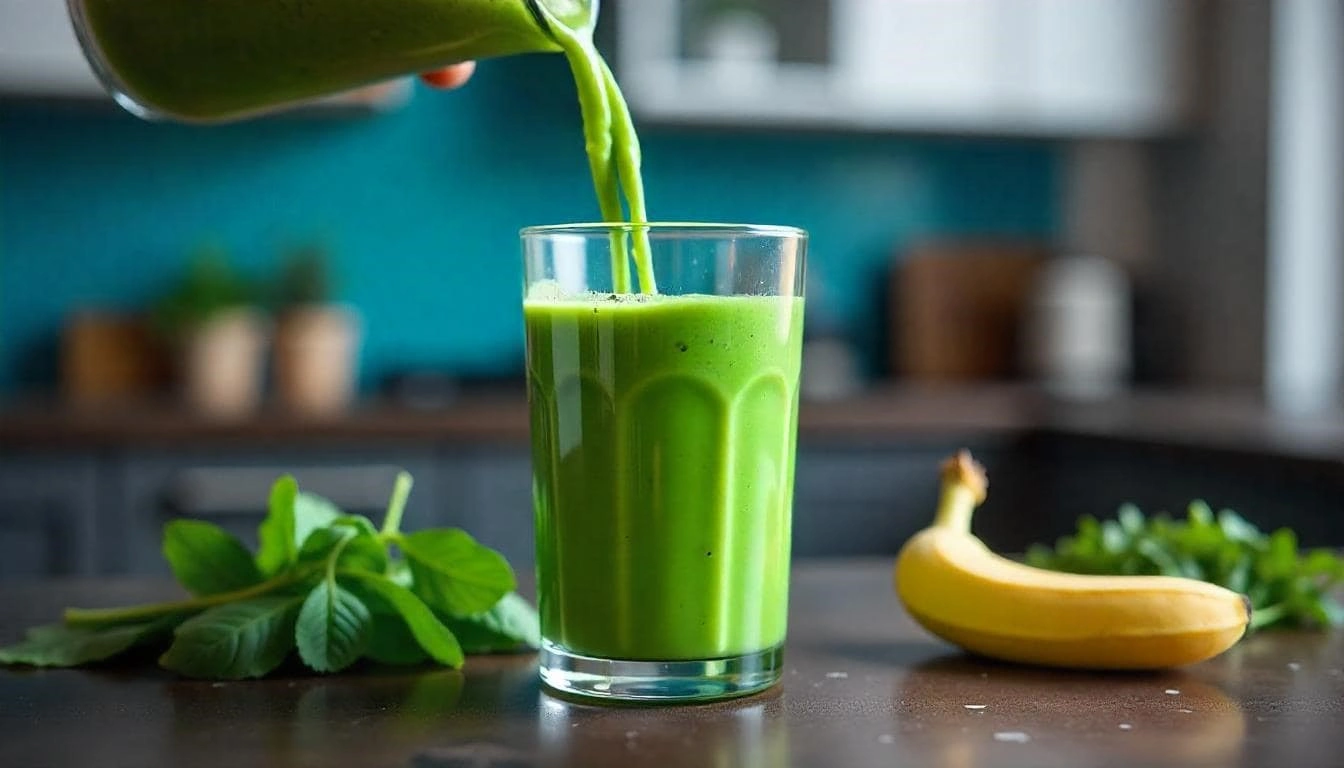
Chewing food thoroughly and eating slowly are essential points of this stage. You should eat small, balanced meals and avoid overeating. It is also recommended to avoid drinking liquids with meals and to keep a gap of at least 30 minutes between meals and drinks.
Reduce the intake of simple sugars
In the fifth and sixth weeks of the Diet after gastric sleeve surgery, the desire to eat sweet foods may return. However, consuming simple sugars such as sweets, chocolate, sodas and sweet desserts can stop your weight loss or even lead to weight regain. It is better to use healthy sources of energy such as fruits and nuts without salt and sugar.
Preparing to stabilize the new diet
These two weeks are a golden opportunity to stabilize healthy and sustainable eating habits. If you establish a routine in your diet after gastric sleeve surgery now, you will face fewer challenges in the following months. It is recommended to prepare a meal plan tailored to your body’s needs in consultation with your doctor or nutritionist.
Weeks 7 and 8 (stabilizing the diet and stabilizing the eating pattern)
In weeks 7 and 8, the patient enters a phase where he must stabilize his new eating pattern. Now the body is more ready to receive a variety of foods, but the stomach volume is still limited. The best choices include lean meats, fish, fresh fruits, steamed vegetables, whole grains and rich sources of protein. Fast food, carbonated drinks, salty and processed foods should still be avoided.
Foods to avoid after gastric sleeve surgery
Some foods are still on the no-go list even two months after surgery. Fatty and fried foods, carbonated drinks, sweets and chocolate, fast food, white bread and cakes can lead to weight regain, indigestion, or vomiting. Also, drinking fluids with meals may fill the stomach too quickly and reduce the absorption of nutrients.
Important Tips Diet after gastric sleeve surgery
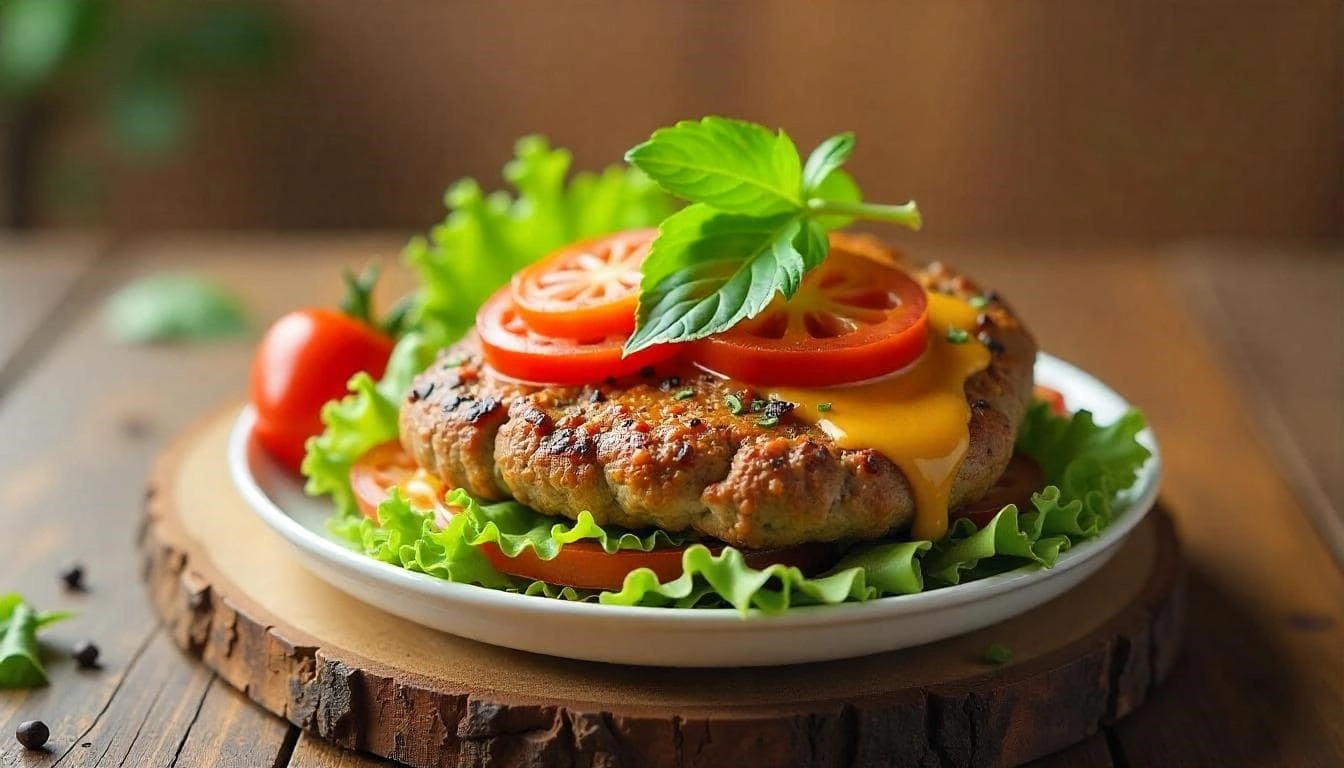
During the recovery period and weight stabilization after surgery, it is vital to follow a few key points. Eating small bites and chewing thoroughly, drinking water between meals and not with meals, consuming enough protein at each meal, and avoiding emotional eating are among these. Also, taking supplemental vitamins (such as vitamin B12, D, iron, and calcium) should be done as prescribed by your doctor.
Introducing Dr. Afshari
If you are looking for expert guidance on the path to weight loss after gastric sleeve surgery, Dr. Afshari, with years of experience in the field of bariatric surgeries and aftercare, is your best choice. By utilizing up-to-date scientific knowledge and accompanying patients step by step, he will help you achieve your ideal weight and a healthy lifestyle. For advice and an appointment, contact Dr. Afshari’s clinic today and take the first step to changing your life.
Final words
In this article, we talked in detail about Diet after gastric sleeve surgery. Gastric sleeve surgery is just a tool; a powerful tool that, if used correctly, can transform your life. But without following a strict and healthy diet, this tool will lose its effectiveness. Nutritional care after surgery is the key to your long-term success. If you are looking for the best possible results, do not forget patience, discipline and constant consultation with your doctor and nutritionist.
Frequently Asked Questions
When can you eat solid foods after sleeve surgery?
Usually, after the fourth week, you can eat soft foods with caution and gradually, then solid foods.
Can I eat sweets or soda again?
No, these substances are extremely harmful and their consumption will cause weight loss to stop or even regain weight.
Do I need nutritional supplements?
Yes, usually after sleeve surgery, the absorption of some nutrients decreases and there is a need for supplements such as iron, vitamin B12 and calcium.