





How to Choose The Best Diet Plans for Overweight Individuals for Lasting Results
If you are truly seeking a meaningful and lasting change in your life and are tired of struggling with excess weight, then this article is crafted specifically for you. Achieving your ideal weight is much more than just improving your physical appearance—it significantly enhances your overall quality of life, boosts your energy levels, and promotes better health in many aspects, including cardiovascular, metabolic, and mental well-being. However, one of the most common and important questions that people ask when starting this journey is: “Which diet plan is the best and most effective for me?”
In the following sections, we will provide a comprehensive and detailed review of the best diet plans tailored for overweight individuals. Our goal is to equip you with scientifically-backed, well-structured, and practical information so that you can embark on your weight loss journey with full awareness and confidence. By understanding the strengths and weaknesses of each diet approach, you will be able to choose a plan that not only fits your lifestyle but also ensures sustainable and healthy results.
Stay with us as we share valuable insights, tips, and guidance that have the potential to truly transform your life helping you build healthier habits, improve your well-being, and move closer to your weight loss goals in a balanced and realistic way.
Types of appropriate diets for obese people
Types of appropriate diets for obese people vary widely depending on individual health conditions, lifestyle, and personal preferences. The key to an effective diet is to ensure balanced nutrition that provides all essential nutrients while promoting gradual and sustainable weight loss.
Rather than following overly restrictive or fad diets, the focus should be on methods that can be maintained long-term, supporting not only weight reduction but also overall well-being. These diets emphasize a healthy balance of macronutrients proteins, fats, and carbohydrates along with vitamins and minerals, tailored to each person’s unique needs to maximize effectiveness and safety.
Low-carb diet
A low-carb diet, by reducing the intake of sugars and starches, forces the body to use fat as its primary source of energy instead of carbohydrates. This process leads to rapid weight loss, reduced appetite, and improved blood sugar control. However, it may cause fatigue or constipation in the early days and is best done under the supervision of a specialist.
- A low-carb diet forces the body to use fats as an energy source by reducing sugar and starch intake.
- Pros: Rapid weight loss, improved insulin sensitivity, reduced appetite
- Cons: May cause constipation and initial fatigue
- Suitable for: People looking to lose weight quickly but should be supervised by a specialist.
Plant-based diet
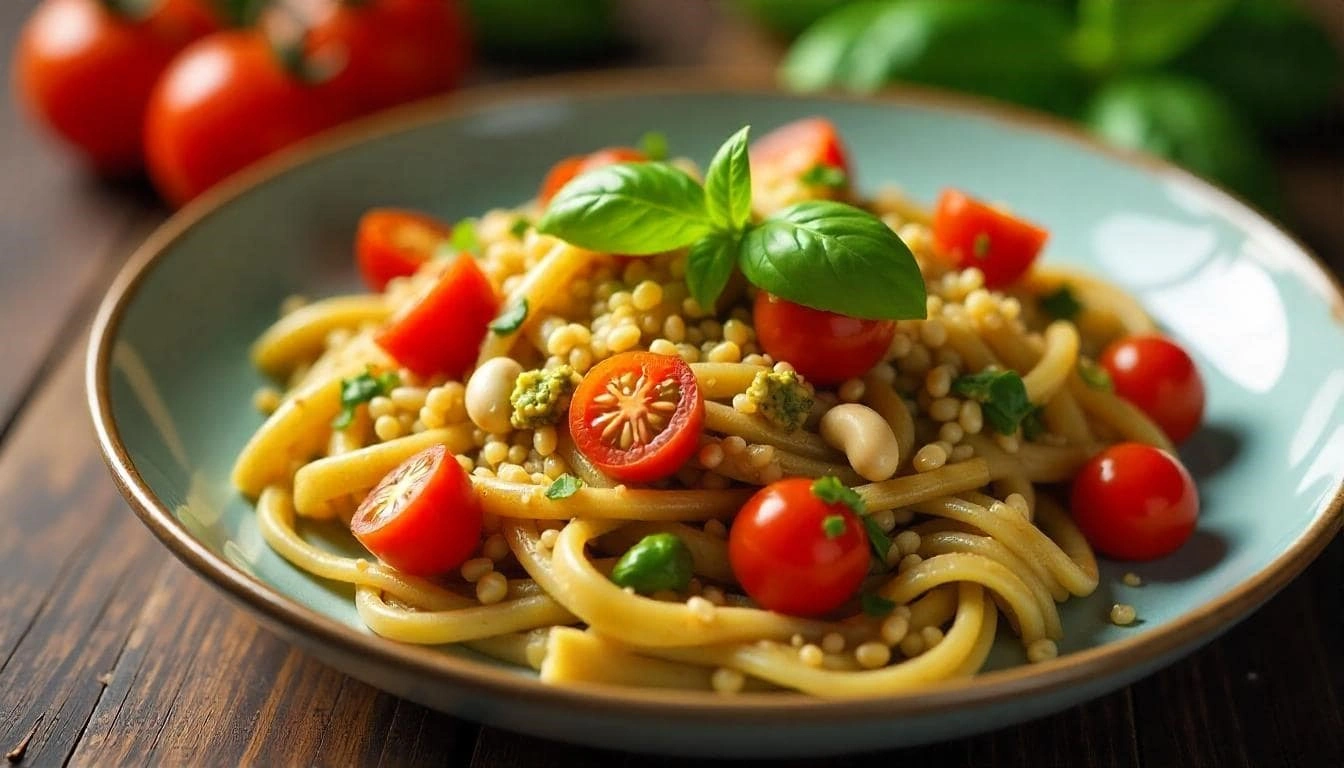
A plant-based diet focuses on eating plenty of vegetables, fruits, whole grains, legumes, and plant-based fats, and reduces or eliminates animal products. It can help you naturally reduce your calorie intake, improve your heart health, and lose weight.
- Pros: Heart health, natural reduction in calorie intake
- Cons: Need to carefully control protein, vitamin B12, and iron
- Suitable for: People interested in healthy eating and vegetarianism.
Intermittent fasting
- The 16:8 diet is the most famous type; 16 hours of fasting and 8 hours of eating allowed.
- Pros: Calorie reduction, improved metabolism
- Cons: Feeling hungry and weak in the early days, not suitable for people with a history of eating disorders
- Suitable for: Those who can manage their eating hours.
Mediterranean diet
The Mediterranean diet focuses on vegetables, fruits, fish, olive oil, whole grains, and low-fat dairy products. It helps improve heart health, reduce the risk of diabetes, and control weight. It is easy to follow long-term because of its variety. However, it can be expensive for some people because of the use of fresh ingredients and fish. Focuses on vegetables, fish, olive oil, and low-fat dairy.
- Pros: Improves heart health, reduces risk of diabetes and blood pressure, sustainable in the long term
- Cons: Can be a bit expensive due to the use of fish and fresh ingredients
- Suitable for: People looking for a healthy, long-term diet.

Types of Suitable Diets for Overweight Individuals
Low-carb diets force the body to burn fat for energy by cutting down on carbohydrates, which can lead to rapid weight loss and improved blood sugar, but they can cause constipation and fatigue at first.
Plant-based diets that emphasize vegetables, fruits, and whole grains can help with heart health and reduce calorie intake naturally, but they require special attention to vitamin B12 and iron. Intermittent fasting can help cut calories and boost metabolism by limiting your eating time, but it can make you feel hungry and weak at first and isn’t right for everyone.
The Mediterranean diet, which focuses on vegetables, fish, olive oil, and low-fat dairy, has been shown to improve heart health and is sustainable in the long term, but it can be a bit more expensive due to the high cost of some foods.
| Diet Type | How It Works | Advantages | Disadvantages |
| Low-Carbohydrate | Reduces carbs intake, body burns fat for energy | Weight loss, lowers blood sugar, reduces appetite | May cause constipation, fatigue initially |
| Plant-Based | Focus on vegetables, fruits, whole grains, legumes | Heart health, lower calorie intake naturally | Needs careful vitamin B12 and iron intake |
| Intermittent Fasting | Eating in limited time windows (e.g., 16:8) | Calorie reduction, metabolic improvement | Hunger, weakness initially, not for everyone |
| Mediterranean | Emphasizes veggies, fish, olive oil, low-fat dairy | Improves heart health, sustainable long-term | May be costly due to fish and fresh produce |
What should the best diet for weight loss be?
The best diet plans for overweight people should have several characteristics. First of all, the diet should be balanced and varied. That is, it should include all food groups, including protein, healthy fats, complex carbohydrates, vitamins and minerals in sufficient quantities.
Very restrictive diets may cause rapid weight loss, but they are not sustainable in the long term and will usually cause weight to return. It is important that the diet is consistent with the person’s lifestyle and can be implemented in everyday life. The diet should also be psychologically tolerable and not create a feeling of excessive deprivation.
Foods to avoid on a weight loss diet
When doing The best diet plans for overweight people, you should avoid consuming some foods that are high in calories and low in nutritional value. Foods such as sugary drinks, including soda, industrial fruit juices and energy drinks, should be eliminated, because they only provide pure sugar to the body. Also, processed sweets, cakes, biscuits and chocolates contain sugar and trans fats that contribute to weight gain and heart disease.
Fast foods and fried foods are other items that should be limited in a weight loss diet due to their high saturated fat and high calories. Breads made from white flour, white rice and refined grains are also not suitable due to the rapid increase in blood sugar. Chips, puffs, salty snacks and processed canned foods should also be eliminated from the diet.
Foods that should be added to the diet of obese people
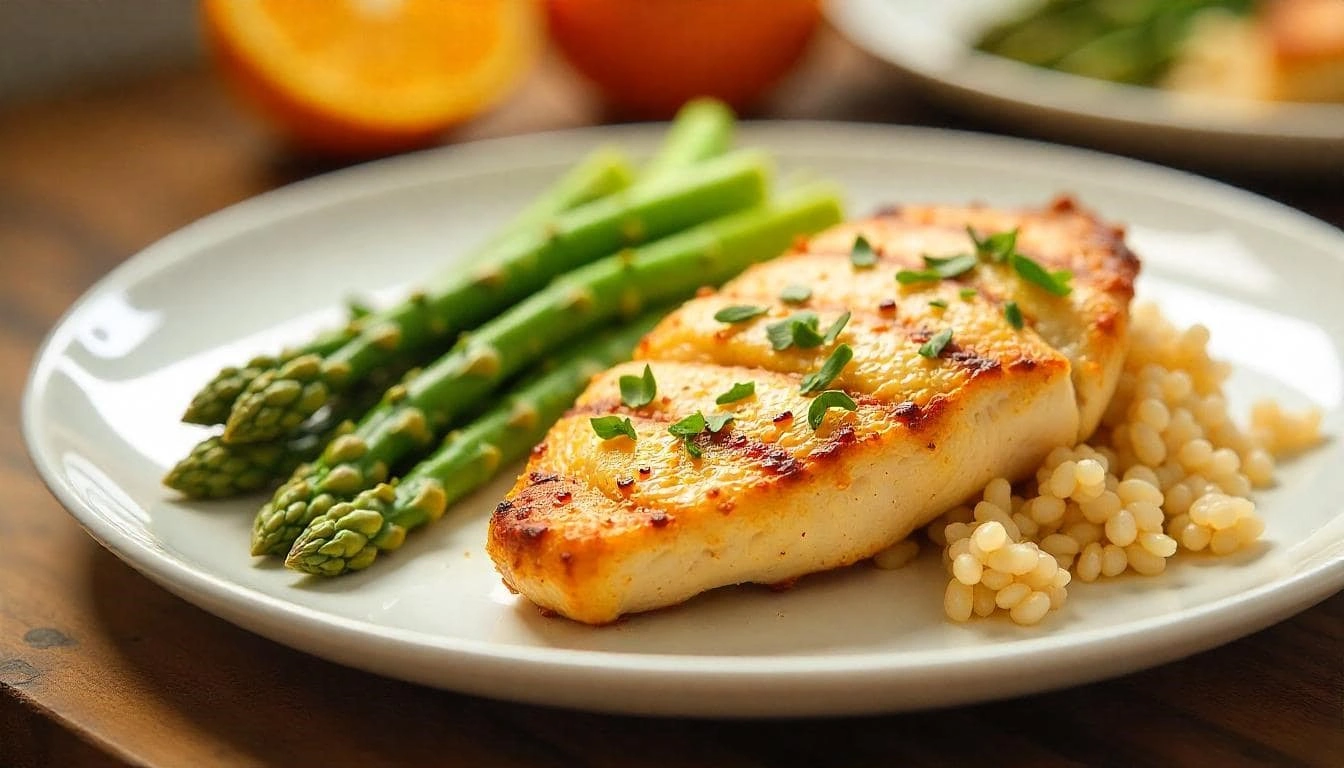
Obese people should include foods in their diet that are both nutritious and help with weight loss. These include leafy green vegetables, low-sugar fruits, whole grains, lean proteins, and healthy fats like olive oil and avocado. These foods increase feelings of fullness, boost metabolism, and provide the body with essential vitamins.
- Vegetables, especially leafy greens like spinach, broccoli, lettuce, and kale, are high in fiber and low in calories, helping you feel fuller for longer.
- Fruits, especially low-sugar varieties like apples, oranges, and berries, are rich in vitamins and antioxidants.
- Whole grains like oatmeal, whole-grain bread, and brown rice are a good alternative to refined grains.
- Lean protein sources like chicken breast, fish, eggs, and legumes help maintain muscle mass and boost metabolism.
- Healthy fats found in olive oil, avocados, nuts, and seeds can also be beneficial when consumed in moderation.
- Low-fat dairy or fortified plant-based milks are also recommended to provide calcium and maintain healthy bones.
How much should a calorie reduction be for a weight loss diet
For effective and healthy weight loss, the reduction in calorie intake should be reasonable and calculated. Usually, a daily reduction of 300 to 500 calories compared to the body’s daily needs is recommended. This reduction will cause a person to lose an average of between half and one kilogram per week. This rate of weight loss is considered safe for both physical health and psychological health.
Excessive calorie reduction may cause energy loss, hair loss, decreased concentration, and even dysfunction of body organs. Therefore, it is recommended that before starting any diet, calculate your daily calorie requirement with the help of a nutritionist and adjust your diet accordingly.
Permanent weight loss with Dr. Afshari’s specialized diet
If you are looking for a diet that is not only scientific and effective, but also designed to suit your physical condition, lifestyle, and personal goals, Dr. Afshari’s nutrition clinic is an excellent choice. With years of specialized experience in treating overweight and providing fully personalized diets, Dr. Afshari’s professional team will help you reach your ideal weight without feeling hungry or stressed.
The clinic’s diet plans are prepared taking into account your health status, clinical tests, and dietary preferences, and the step-by-step support of the consulting team ensures your motivation and sustainability on the path to weight loss. Take the first step to change your life today and contact Dr. Afshari.
Final Words
In this article, we talked in detail about The best diet plans for overweight people. Choosing the right diet plays a key role in the path to weight loss. But more important than that, sticking to that diet and making gradual changes in your lifestyle. A diet that is based on scientific principles, can be implemented in the long term, and is in line with individual needs will be the most successful type of diet.
Choosing healthy foods, avoiding processed foods, consuming a balanced diet from all food groups, and reducing calories rationally can bring a person closer to their weight loss and health goals. So decide today, choose your right diet, and take a step towards a healthier life with strong willpower.
FAQ: 5 Frequently Asked Questions About The Best Diet Plans for Overweight People
- What types of diets are most effective for weight loss?
Low-carbohydrate, plant-based, intermittent fasting, and Mediterranean diets are among the most effective. Each has unique benefits and potential drawbacks, so it’s important to choose one that fits your lifestyle and health needs. - Are restrictive diets a good choice for long-term weight loss?
Very restrictive diets may cause quick weight loss but are usually unsustainable and can lead to regaining the weight. A balanced, varied diet that suits your lifestyle is more effective for lasting results. - Which foods should I avoid to lose weight effectively?
Avoid sugary drinks, processed sweets, fast foods, fried foods, refined grains, and salty snacks. These foods are high in calories and low in nutritional value, making weight loss harder. - What foods should I include in my diet to support weight loss?
Focus on high-fiber vegetables, low-sugar fruits, whole grains, lean proteins, healthy fats like olive oil and nuts, and low-fat dairy or fortified plant-based milk. - How much should I reduce my calorie intake to lose weight safely?
A daily calorie reduction of 300 to 500 calories is recommended. This allows a safe weight loss of about 0.5 to 1 kilogram per week without compromising your health or energy levels.